
Common Waterproofing Problems in Central Coast Homes

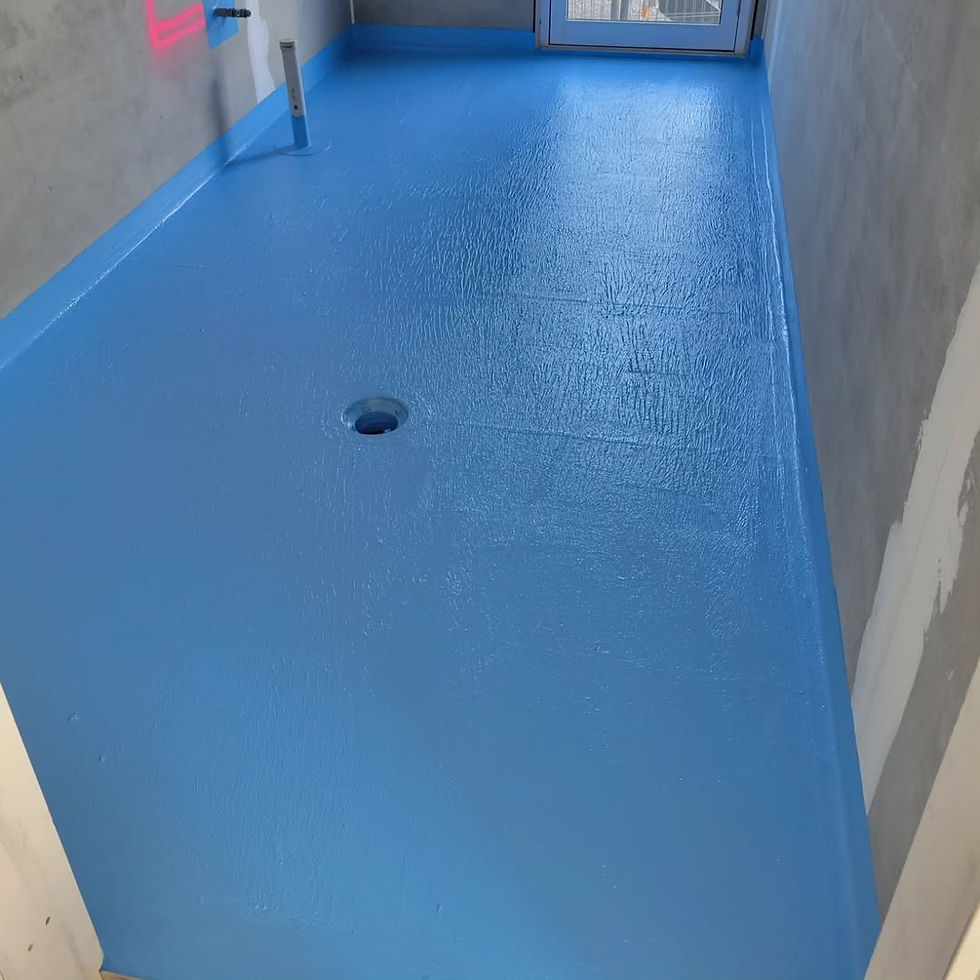
Homes across the Central Coast are constantly exposed to coastal moisture, humidity, salt air and heavy rainfall — all of which can place significant stress on waterproofing systems over time.
Without properly installed waterproofing, even minor issues can quickly lead to expensive structural damage, mould growth and ongoing leaks.
At The Waterproofing Bros, we regularly assist homeowners across Gosford, Terrigal, Erina, Woy Woy, Tuggerah and surrounding suburbs with identifying and repairing failed waterproofing systems before the damage becomes more severe.
In this guide, we’ll cover the most common waterproofing problems affecting Central Coast homes, what causes them and how to prevent long-term damage.
Why Coastal Homes on the Central Coast Are More Vulnerable to Waterproofing Issues
Properties located near the coast experience far greater exposure to moisture and salt air than inland homes.
Over time, this can contribute to:
Membrane deterioration
Cracked grout and tiles
Balcony leaks
Shower waterproofing failure
Water ingress behind walls
Mould and mildew growth
This is why professional Central Coast waterproofing services are essential for protecting homes in coastal environments.
1. Failed Bathroom Waterproofing
Bathroom waterproofing failure is one of the most common issues we see across the Central Coast.
In many cases, waterproofing systems fail because:
Incorrect products were used
Waterproofing membranes were poorly installed
Work was not completed to Australian Standards
Age and moisture exposure have broken down the membrane
Signs of bathroom waterproofing failure may include:
Loose or cracked tiles
Damp walls
Bubbling paint
Mould growth
Persistent moisture smells
Professional bathroom waterproofing services help prevent leaks and protect the structural integrity of your home.
2. Leaking Balconies in Coastal Homes
Balconies are constantly exposed to rain, UV damage and coastal weather conditions, making them highly susceptible to waterproofing failure.
Leaking balconies often occur when:
Drainage is inadequate
Waterproof membranes deteriorate
Tiles crack or lift
Expansion joints fail
Without proper repairs, water can penetrate beneath tiles and into surrounding structures, causing significant long-term damage.
Our team provides durable balcony waterproofing solutions designed specifically for Central Coast coastal conditions.

3. Leaking Shower Repairs
Many homeowners don’t realise their shower waterproofing has failed until visible damage begins appearing outside the bathroom.
Common warning signs include:
Water leaking through walls or ceilings
Cracked grout
Swollen skirting boards
Damp carpet near adjoining rooms
Persistent mould or mildew
Because leaking showers can worsen quickly, it’s important to arrange professional leaking shower repairs as soon as possible.
4. Mould and Moisture Damage
High humidity across the Central Coast can increase the risk of mould growth in poorly waterproofed areas.
When waterproofing systems fail, trapped moisture can spread behind walls, beneath tiles and into surrounding timber structures.
Not only can this damage your property, but prolonged mould exposure may also impact indoor air quality and health.
Professional waterproofing systems help prevent excess moisture intrusion and improve long-term protection in wet areas.
5. Failed Waterproofing Membranes
Waterproofing membranes naturally deteriorate over time, especially in coastal environments exposed to:
Salt air
UV exposure
Heavy rainfall
Temperature fluctuations
Once the membrane begins failing, water can enter surrounding structures and create extensive hidden damage.
This is why remedial waterproofing work is often necessary in older bathrooms, balconies and wet areas.
How to Prevent Waterproofing Problems in Coastal Homes
Preventative maintenance and professional installation are the best ways to avoid expensive waterproofing failures.
We recommend:
Addressing leaks early
Inspecting balconies and wet areas regularly
Ensuring work complies with Australian Standards (AS3740)
Choosing high-quality membrane systems
At The Waterproofing Bros, we use proven waterproofing systems designed specifically for long-term durability.
Why Professional Waterproofing Matters
Poor waterproofing installation can lead to thousands of dollars in preventable damage.
Choosing experienced waterproofing specialists ensures:
Proper membrane application
Long-term durability
Compliance certification
Reduced risk of future leaks
Our licensed team works with homeowners, builders and renovators across the Central Coast, delivering reliable waterproofing solutions backed by a certificate of compliance and a 10-year warranty.
FAQs
What causes waterproofing to fail in coastal homes?
Coastal moisture, humidity, salt air, poor installation and ageing waterproof membranes are some of the most common causes.
How do I know if my waterproofing has failed?
Signs include leaking showers, mould growth, cracked tiles, bubbling paint, damp smells and water stains.
Can waterproofing problems be repaired?
Yes. Depending on the severity of the issue, waterproofing systems can often be repaired or replaced to prevent further damage.
Protect Your Central Coast Home with Professional Waterproofing
If you’re experiencing leaking showers, balcony leaks or signs of waterproofing failure, The Waterproofing Bros provide reliable waterproofing services across Gosford, Terrigal, Erina, Woy Woy and surrounding Central Coast suburbs.
Our licensed team delivers compliant, long-lasting waterproofing solutions to protect your home or project. Get in contact with our team today for your free quote.

Comments